


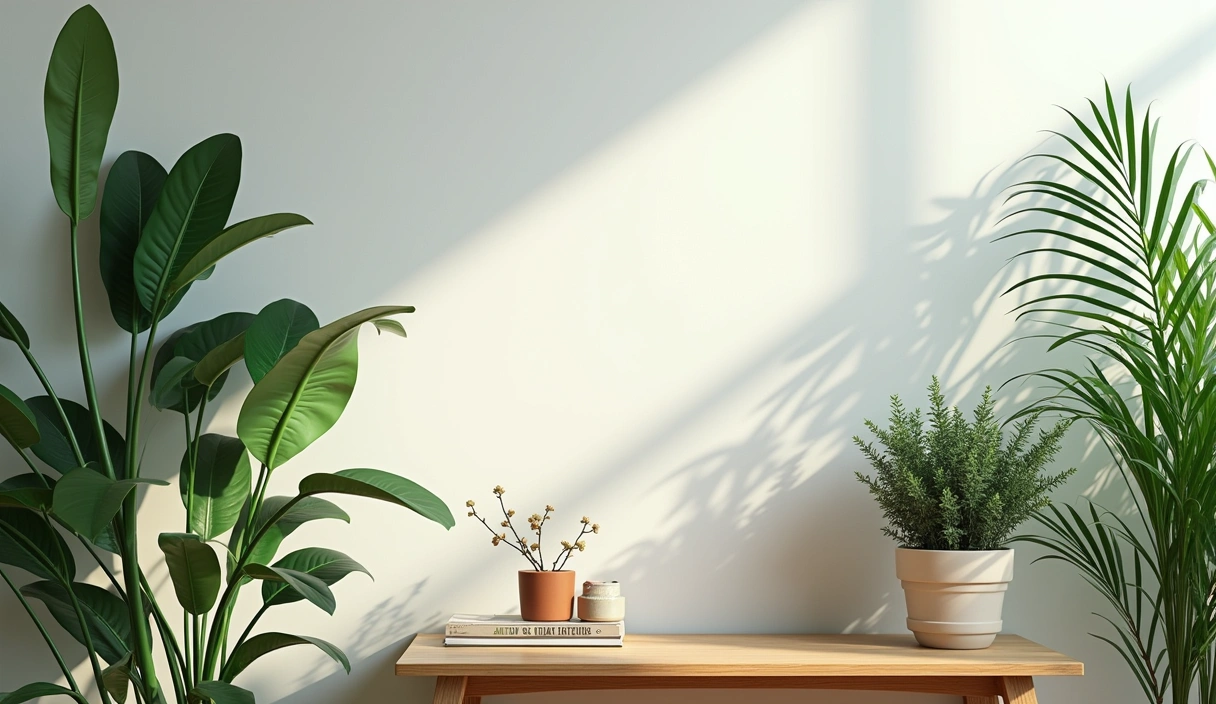
During uncertain times, many people find comfort in caring for houseplants. The routine of watering them and watching new leaves grow can bring joy and soften a room’s feel. Over time, a home can become filled with plants.
However, having more plants does not always create a more attractive space. When too many are placed without a plan, a living room can start to feel disorganized rather than peaceful. The goal is often a sense of unity, making plants feel like a planned part of the design.
To learn how designers style plants at home, advice was gathered from Kathy Ho, owner of Little Trees in San Francisco, and Lindsay Pangborn, a former gardening expert at Bloomscape. They explained that the key is a change in perspective. Plants should be seen as a layer of design, not just decoration. This changes where they are placed, how they are grouped, and how they affect a room.
How to Design With Plants
When plants are viewed as a design element, how they are used changes. It is easy to collect plants one by one until they are scattered around a home with little connection to each other. Designers approach this differently. They start by asking what a room needs, not just where a new plant will fit.
This shift from random accumulation to intentional placement creates a more thoughtful space. “Plants should complement your space and your lifestyle, not compete with it,” Pangborn says. This means considering scale, balance, and placement like any other design feature.
A single well-chosen plant can anchor a corner. A small grouping can become a focal point. Even the empty space around plants is part of the overall effect.
Create Visual Moments
The next step is to edit and arrange with purpose. Instead of spreading plants evenly, focus on creating a few defined visual moments. Designers often group two or three plants together to form a vignette. This feels more grounded and calm than a scattered look.
“Grouping plants can make a space feel more calm and considered,” says Ho. “It also makes care easier when plants with similar needs are placed together.” A cluster on a coffee table or a trio on a shelf can work well. What matters is the relationship between the plants and the space around them. Leaving some open space allows each grouping to stand out.
Use Height and Movement
Thinking vertically can improve plant styling. When all plants sit at the same level, the look can feel flat. Designers use plants to create movement, guiding the eye up and down. Trailing plants placed on high shelves or in hanging planters soften lines and draw the eye upward.
“Using vertical space is key, especially in smaller homes,” Pangborn notes. “It allows you to incorporate more greenery without sacrificing surface area.” The goal is to create a sense of rhythm with different heights, from a tall floor plant to a trailing vine above.
Let Plants Fill the Space
A common error is trying to fill every empty spot with a plant. Designers often do the opposite, using plants to resolve empty areas. A taller plant can soften a bare corner, and a sculptural plant can anchor a blank wall. Larger plants on the floor can ground a room.
“Larger plants can make an immediate impact,” Pangborn says. “They help define a space and can bring balance to areas that feel unfinished.” It is also important to give plants enough room away from furniture and art so they do not compete for attention. A lush feel comes from the contrast between full and open areas.
Balance Scale, Shape, and Texture
To create a rich, layered look, introduce contrast. A room where all plants are similar in size, shape, or color can feel flat. Designers mix elements deliberately, pairing tall with low, structured with soft, and bold with delicate.
“Combining plants with different leaf shapes and sizes keeps a space visually interesting,” Pangborn says. “It creates depth rather than repetition.” A broad-leaf plant next to an airy fern or a sculptural plant beside a trailing vine gives the eye a place to move. This balance in composition is what makes a space feel lush.
Design for Real Life
Even beautifully styled plants should fit how people actually live. If plants are hard to care for or are always in the way, they become a burden. “Plants should complement your space and your lifestyle,” Pangborn notes. “They should never feel like a burden.”
This might mean grouping plants with similar care needs or choosing fewer, more impactful plants that are easier to maintain. It can also involve rearranging plants as needs change. When plants are treated as part of the home’s design, the approach becomes more intentional. You edit more, place with purpose, and let the space breathe. The result is a home that feels cohesive, calm, and personal.
The interest in houseplant care has grown noticeably in recent years. According to data from the National Gardening Association, spending on indoor plants saw a steady increase over the last decade. This trend reflects a broader desire to create nurturing and personalized home environments, especially as more people have spent additional time at home. Retailers specializing in houseplants and online plant sales have expanded their offerings to meet this demand, providing a wider variety of species and styling accessories to the public.
